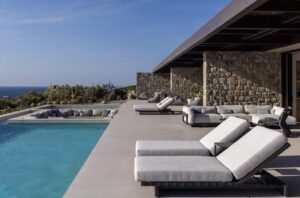

Just an hour by ferry from the port of Lavrio, east of Athens, Kea – also known as Tzia-offers a refreshing alternative to Greece’s more familiar island destinations. Although it belongs to the Cyclades, the island remains remarkably under the radar, attracting discerning travelers seeking authenticity, understated luxury, and a slower pace of life. Those who know Kea rarely keep it a secret for long. Spring weekends begin with leisurely lunches overlooking picturesque marinas, where freshly caught seafood takes center stage. Beyond its charming waterfronts, the island rewards visitors with pristine beaches, Byzantine churches, Hellenistic towers, traditional windmills, and an extensive network of hiking trails connecting four ancient city-states: Ioulis, Korissia, Poiessa, and Karthaia. According to Greek mythology, Kea was the first home of the nymphs—a fitting legend for an island whose natural beauty feels both timeless and untouched. Whether visited as a standalone destination or as part of an island-hopping itinerary from Athens, Kea offers a compelling blend of history, nature, and contemporary Mediterranean living.
A Culinary Destination in Its Own Right
Kea’s culinary identity reflects both its Cycladic heritage and its strong agricultural traditions. Local tavernas and refined restaurants celebrate seasonal ingredients sourced from the island’s farms, fisheries, and family producers. Fresh seafood remains a highlight, with lobster pasta considered one of the island’s signature dishes, while the restaurants of Ioulis have earned a reputation for elevating traditional Greek cuisine with contemporary flair.
Among Kea’s regional specialties are louza, a cured pork delicacy seasoned with aromatic spices, fragrant thyme honey, and distinctive local cheeses including xerotyri, ksino, and kopanisti. Visitors interested in the island’s dairy traditions should not miss Tyrakeion in Ioulis, where artisanal cheeses are produced using generations-old techniques.
Beaches, Crystal Waters, and Outdoor Adventure
Like much of the Cyclades, Kea is defined by remarkably clear turquoise waters and a diverse collection of beaches, ranging from lively bays to secluded coves accessible only by dirt roads or hiking trails. Gialiskari remains one of the island’s most popular beaches, while Koundouros and Spathi continue to attract visitors looking for excellent swimming and well-organized facilities. Those seeking greater privacy often gravitate toward Sikamia or Kaliskia, where tamarisk trees provide natural shade and the atmosphere remains blissfully tranquil. Exploring Kea by four-wheel drive reveals hidden beaches scattered across the island’s rugged coastline, rewarding adventurous travelers with quiet stretches of sand rarely found elsewhere in the Cyclades. For water sports enthusiasts, Koundouraki is home to Kea Water Sports, offering paddleboarding, wakeboarding, waterskiing, inflatable rides, and motorboat rentals suitable for all experience levels.
One of Greece’s Premier Diving Destinations
Beneath the surface, Kea reveals another remarkable attraction. Over the past decade, the island has established itself as one of Greece’s leading diving destinations thanks to several internationally significant shipwrecks resting in its waters. Most famous is the HMHS Britannic, the Titanic’s sister ship, which sank during the First World War while serving as a hospital ship. Although resting at a depth of approximately 117 meters and reserved for highly technical divers, it has helped place Kea firmly on the global diving map. Other wrecks are accessible to recreational divers, including the historic S.S. Burdigala and a remarkably preserved Junkers Ju 52 aircraft. Combined with dramatic underwater cliffs, rock formations, and abundant marine life, the island offers exceptional diving opportunities for beginners and experienced divers alike.
Discover the Authentic Villages of Kea
One of Kea’s greatest pleasures lies in its villages, where everyday life continues at an unhurried pace. Vourkari, the island’s picturesque fishing harbor, has become a favorite gathering place thanks to its elegant waterfront cafés, excellent seafood restaurants, and relaxed atmosphere. Sailboats and yachts gently sway in the marina while visitors linger over long lunches or sunset cocktails. Just outside the village lies the prehistoric settlement of Agia Irini, one of the Aegean’s most important archaeological sites and well worth including in any itinerary.
Hiking Through History
Kea has earned a reputation as one of Greece’s finest hiking islands, with more than 80 kilometers of carefully restored walking trails crossing valleys, hillsides, forests, and ancient settlements. Among the most rewarding routes leads to Ancient Karthaia, an archaeological site accessible only on foot or by sea. Its isolation has preserved not only its remarkable ruins but also an atmosphere that feels almost untouched by time. Once one of Kea’s four principal city-states, Karthaia flourished for more than 1,400 years before being abandoned during the 6th century AD. Visitors are welcomed by the remains of temples dedicated to Apollo and Athena, an ancient theater overlooking the sea, and one of the island’s most spectacular coastal panoramas. Whether choosing the longer route from Ioulis through the island’s mountainous interior or the shorter descent from Stavroudaki, the journey itself is as memorable as the destination—a reminder that Kea continues to reward travelers willing to slow down and explore beyond the obvious.